Balancing Books and Well-Being: The Secret to Academic Success
Posted: 2025-02-20
This article is an attempt to present true events for students of grades 10 and 12. Nearly 50% of adolescents experience mental stress, even more suffer from anxiety, and one in four struggles with depression. A recent study on Research Gate has revealed these alarming statistics. As a mental health coach and a parent, I find this deeply concerning. The issues become more pronounced as students transition from grade 8 to grade 9, compared to the earlier grades. I believe the following reasons are responsible for this:
- Anxiety about exam results
- Academic pressure
- Poor mental health
- Inadequate nutritious diet
- Weak time management
- Imbalance between academic pressure and mental health
The Story of Aditi and Varun
Aditi was a bright student. Despite excelling in her academics, she felt extremely pressured before her final grade 12 exams. Due to her parents' high expectations and her desire to perform perfectly, she couldn’t sleep properly. She even had a panic attack in the exam hall one day.
On the other hand, her younger brother Varun, a grade 9 student, was mischievous and inattentive in his studies. He constantly broke household rules, disrupting the peaceful environment at home, which earned him frequent scoldings from his parents and sister.
However, after failing his annual grade 8 exams, Varun was completely shattered. He distanced himself from his friends, and the fear of failure gripped him so strongly that he even considered giving up on his studies altogether.
Explaining the Balance Between Academic Pressure and Mental Health
How Does Academic Pressure Affect Students?
Academic pressure refers to the mental and physical stress arising from exam deadlines, excessive expectations, and fear of failure. While a certain amount of pressure can motivate students to perform better, excessive pressure can lead to anxiety, depression, and burnout.
Symptoms:
- Fatigue or lack of sleep
- Frequent headaches, stomachaches, or other illnesses
- Feeling depressed, anxious, or easily irritated
Strategies to Maintain Mental Health
-
Time Management:
- Create a balanced routine for study, rest, and hobbies.
- Prioritize tasks as essential and non-essential.
-
Set Realistic Goals:
- Focus on the process rather than perfection.
- Break large tasks into smaller, manageable steps.
-
Stress-Relief Techniques:
- Practice 10-15 minutes of meditation or breathing exercises daily.
- Include light physical activities like yoga or walking.
-
Seek Support:
- Share your feelings with someone you trust.
- Seek professional help if necessary.
-
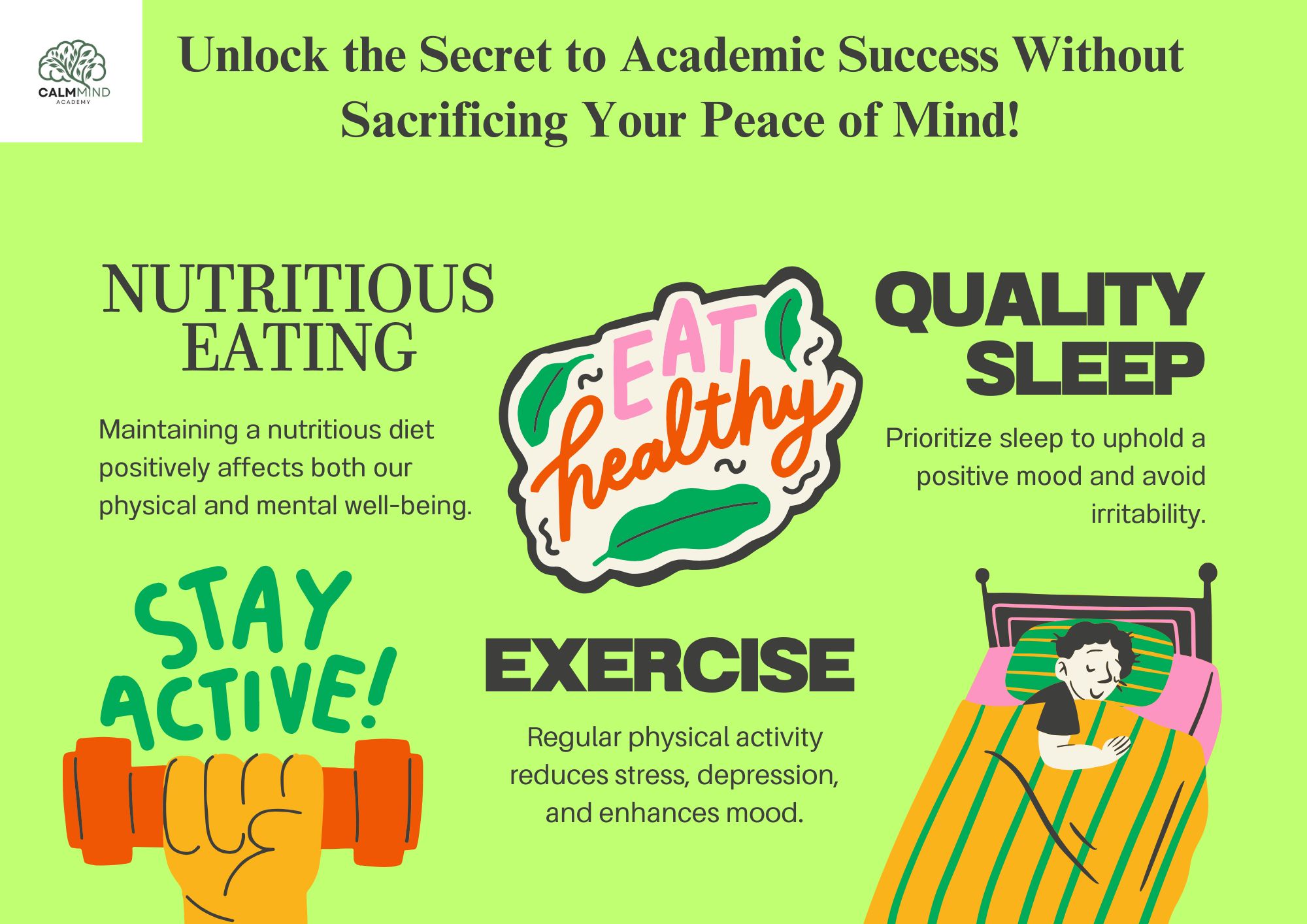
Maintain a Healthy Lifestyle:
- Get enough sleep and eat nutritious food.
- Reduce excessive caffeine intake and screen time.
-
Take Breaks:
- Take 5-10 minute breaks during study sessions.
- Allocate time for hobbies or activities you enjoy.
A Suggested Daily Routine
Morning:
- 6:00 AM: Wake up and meditate for 10 minutes
- 6:30 AM: Light exercise or a walk
- 7:00 AM: Nutritious breakfast
Study Time:
- 7:30 AM - 10:00 AM: Focused study session
- 10:00 AM - 10:15 AM: Short break
- 10:15 AM - 1:00 PM: Second study session
Afternoon:
- 1:00 PM: Lunch and relaxation
- 2:00 PM - 3:30 PM: Light study or revision
Evening:
- 4:00 PM: Time for hobbies or favorite activities
- 5:30 PM - 7:00 PM: Study revision
Night:
- 8:00 PM: Nutritious dinner
- 8:30 PM - 9:30 PM: Light reading or relaxation
- 10:00 PM: Bedtime preparation
Inspirational Message
Remember, academic success depends on your mental well-being. If you don't care for yourself, you won't have the strength to enjoy your achievements. So, take time, listen to your inner voice, and celebrate small victories.
Your mental health is the true key to your success.
"Mental health is the foundation of true academic success. Take care of yourself, and success will follow!"
Copyright © 2024 Calmmind Academy - All rights reserved